

Still moving - this from Medium
I don't really care about gaining a following. But please, if you read this, and it provokes a thought or two, let me know what you think!

Hello, again. If you’ve just come, welcome. Let’s dive in.
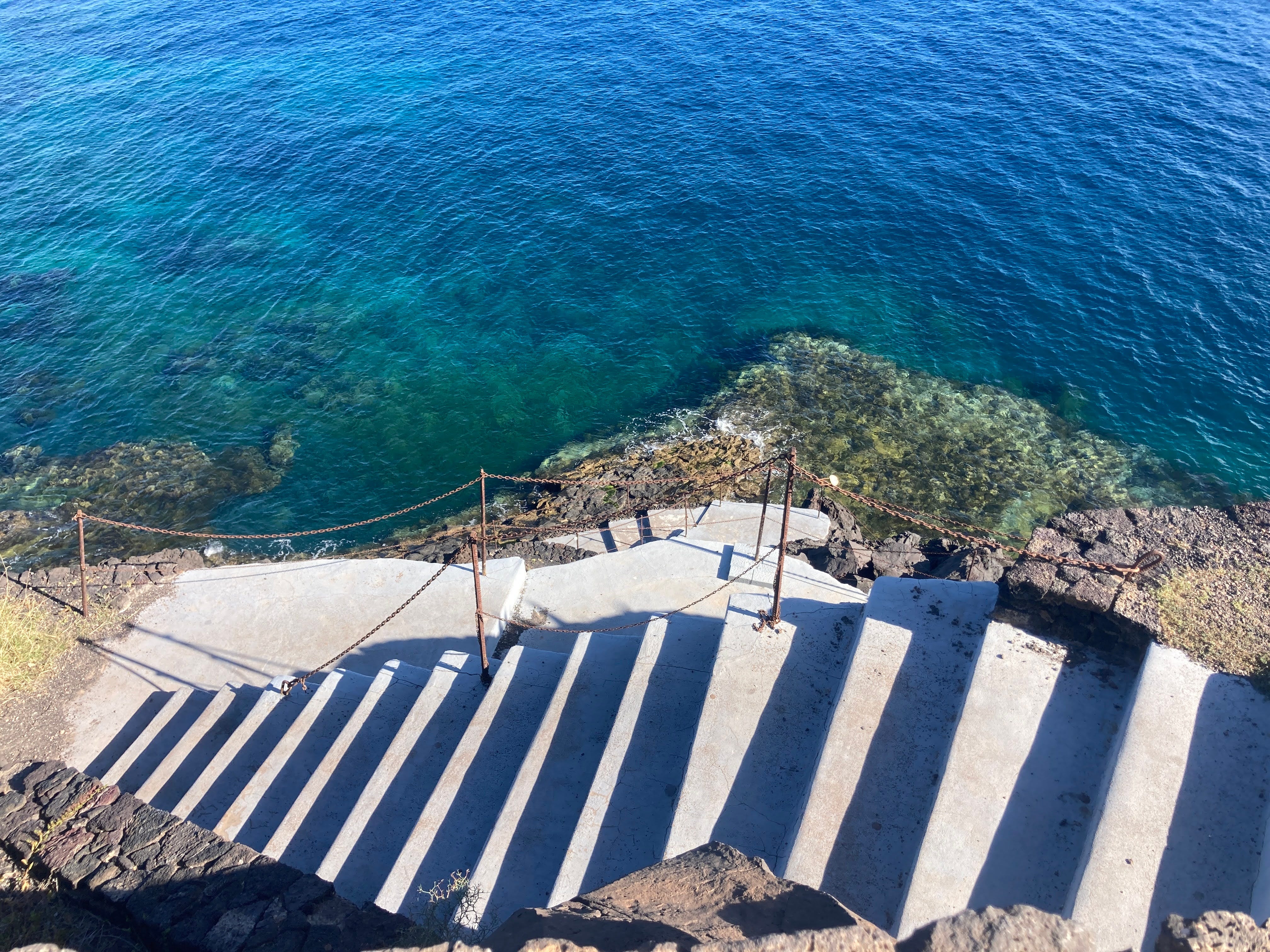
Here, you’ll find me writing about what it is to live a good life. You’ll read about my love of walking and jogging long distance, and birdwatching, and my turning an addicted brain into a phenomenon that I seek to understand as a reflection of what’s going on more widely, and the harms I am working to reduce but which, because I’m human, are unlikely to dissappear completely, or are likely to be replaced by other harms: age, and then the only end of age. Just not yet, please... because I still have writing to do. And painting …
I write about the ecological emergency and living with the knowledge that we are almost certainly, globally, on track to lose more and more of the incredible complexity of ecological systems. Which is also more and more of ourselves. Fragmentation is an ecological phenomenon but it’s also a social and political phenomenon, and it’s also a personal phenomenon, since what goes on outside us is also going on within.
What can we do about it? I write about that too.
More and more people refuse to talk to those whose ideologies don’t accord with their world view and this, too, deepens the cracks, threatening the entire web of our existence. In one sense, the whole process is inevitable. We can’t do much to change the direction we’re going in. Because we didn’t choose it. It’s the unfolding of cause and effect.
Seeing this is hard knowledge to live with. It could leave me — or you — in the throes of despair. It often has. And yet …
Ironically, I’ve been incredibly lucky. I have fantastic, close — nay, intimate — relationships, with those I love. I’ve recently been relieved of the burden of poverty. No one who has ever been poor — that is, had more outgoings than income, even when they’ve reduced themselves to the meagerest allowance — can fail to recognise the enormity of the relief in being able to pay the bills. And my good fortune came about for reasons entirely beyond my control. Don’t get me wrong. I’m far from rich. But I have enough, which is just wonderful.
But at least some of my good fortune has come about because I have learned, slowly and painfully, to step back, sometimes at least, from the great karmic chains in which we all exist, and to recognise the importance of seeing not only myself within with inexorable web of place, culture, family, chance happenings, but also other people. Connection is the acknowledgment that it’s not just me who’s suffered, and suffering. It’s all of us. Hardly news (the Buddha said this, and Jesus was all too aware of the sufferings of his people, particularly the most vulnerable). But when you can feel this in your gut, it shifts your attitude. You become gentler.
I’m no saint. I still get angry and depressed, have good days and not such good days, have serious addiction issues with which I’m dealing very gently, much to the chagrin of those who believe the only way is cold turkey. When you’ve had an eating disorder, you realise very quickly that cold turkey (total abstinence from the current addictive substance) isn’t going to work …. I won’t insult your intelligence by explaining why. But an attitude of compassion helps. Little steps. Softly softly, diplomacy, even with myself, rather than all out war.
Watching myself writhe in anguish at the state of the world, I can see how trapped we are in the webs of cause and effect that create our circumstances. Robert Sapolsky, and even Sam Harris (who I have lots of issues with) have recognised that we’re not in control of our lives in the way that we’re always told we are. But we do have the capacity to see this, to know it, and to respond to it with a great sigh of — what? Not kindness, exactly. Compassion, is probably the best word. Love suggests being able to encompass everything that’s going generously and with acceptance, and I can’t go that far. Righteous anger, well directed, is vital to create enough energy to change how we see and act. But I can frequently find a way of feeling very close to someone who I didn’t know much about a couple of hours before, who I thought was ‘the other’. And that’s vital to being able to appreciate how very intermeshed we are. I don’t change you, but I change me, and that changes our relationship which sometimes also means you change.
Being open is a fool’s game; exposing how vulnerable we are is seen as weakness. But it’s amazing how disarming it can be, and how willingly the vast majority are to reciprocate, and share their own stories. We might still be a long way apart ideologically, but seeing each other as floundering creatures trapped by circumstances that hem us in can help us understand much more about how vulnerable and also how resilient not only humans, but entire systems are. This can give us the beginnings of a reason to hope.
Much of what happens to us hurts. We don’t need to be ashamed of that. We also don’t need to pretend that we have to be wrapped up in cotton wool. In fact, being able to fall and fail and falter, and get up and have another go, however bruised, is, I think, essential to developing resilience. We can be sensitive and still have to deal with living in poverty, or in a refugee camp, or with family or other relationships that are far from ideal, or with being in a job that we do because it pays the bills, not because we love it. This is particularly true of those of us who describe ourselves as artists, or writers. Culturally, we’re primed to mock romantics, or those who are interested in attempting to understand or simply appreciate the beauty or complexity of the world. We often mock ourselves for wanting to spend time gazing at the moon and learning the names of the stars, or working to identify the birds, insects and plants that are around us (and under stress because of how so many of us are forced to live).
We sneer at those who want to walk quietly by a river instead of getting their heads down like machines and brutally attacking the tasks that are required for survival. But we need to know that this is also what we are — curious creatures. We don’t need to be cossetted because we want to see the beauty, while dealing with the often ugly realities of keeping alive. In fact, as long as we can give ourselves a bit of space, and keep allowing ourselves to feel, we’ll find that we have extraordinary depths of resilience. This isn’t about thinking positive, or wishing life was different, or denying that we have to work for a living. This is about feeling compassionate for our own dual nature, working and dreaming, accepting failures and defeats while continuing to put in the effort to understand, appreciate and create, and imagine, pragmatically, non-idealistically, what societies, locally and globally, might look like if we saw all of us as suffering, but with the potential to suffer less, be more orientated towards resilient living.
Idealism can’t encompass this messiness. But this is where I think we have the richest kinds of lives, here in the midst of the struggle, not trying to win, but accepting the sisyphean task that life allots us. We cannot win — we’ll all die one day, even those obsessed with peptides, cryonics, and injecting their children’s blood to rejuvenate themselves. The human project will, eventually, come to an end. But Socrates, among other wise men (and women, and children), showed that what matters is not what, but how we go about the process. This how, this manner of being, the ability to show grace and grit in the face of adversity, is something we can all practise a bit more. It makes all the difference.
One of your better pieces, Lucy. N.
Lucy, as ever, a revitalising tonic to the ever growing festering on the social media. So much is breaking , it’s as much I can do not to be broken myself … those precious riverside walks through the bluebell woods and the golden scented gorse are what keep me strong. And your writing. Thankyou